
Osaka Korean Cultural Center
2024.09
所在地 : 大阪市
用途 : 文化施設(事務所)
構造 : 鉄筋コンクリート造、一部鉄骨造
共同設計:OHArchitecture, Lief designpark
構造設計:テクトニカ
設備設計:島津設計
施工:株式会社バウハウス丸栄
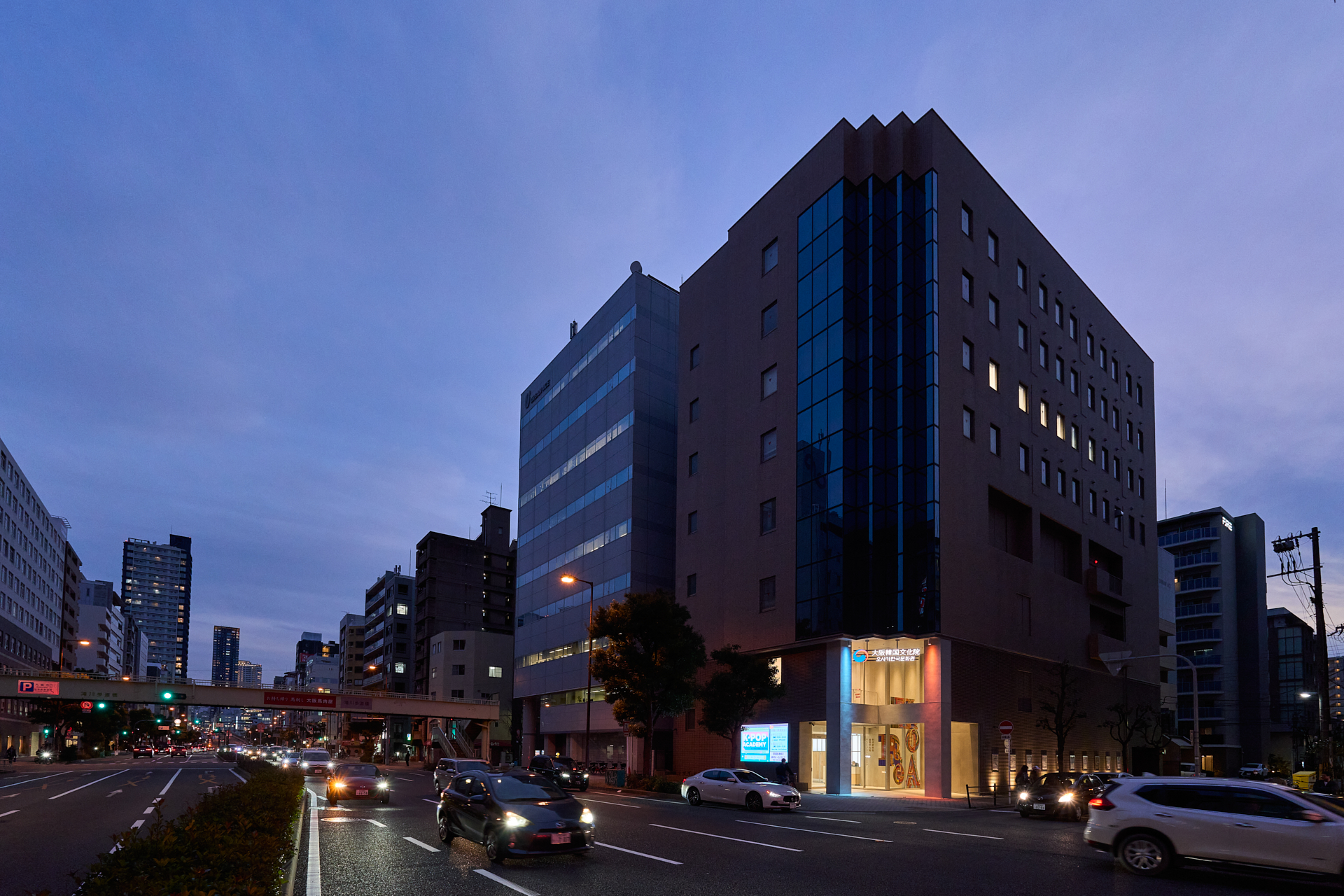
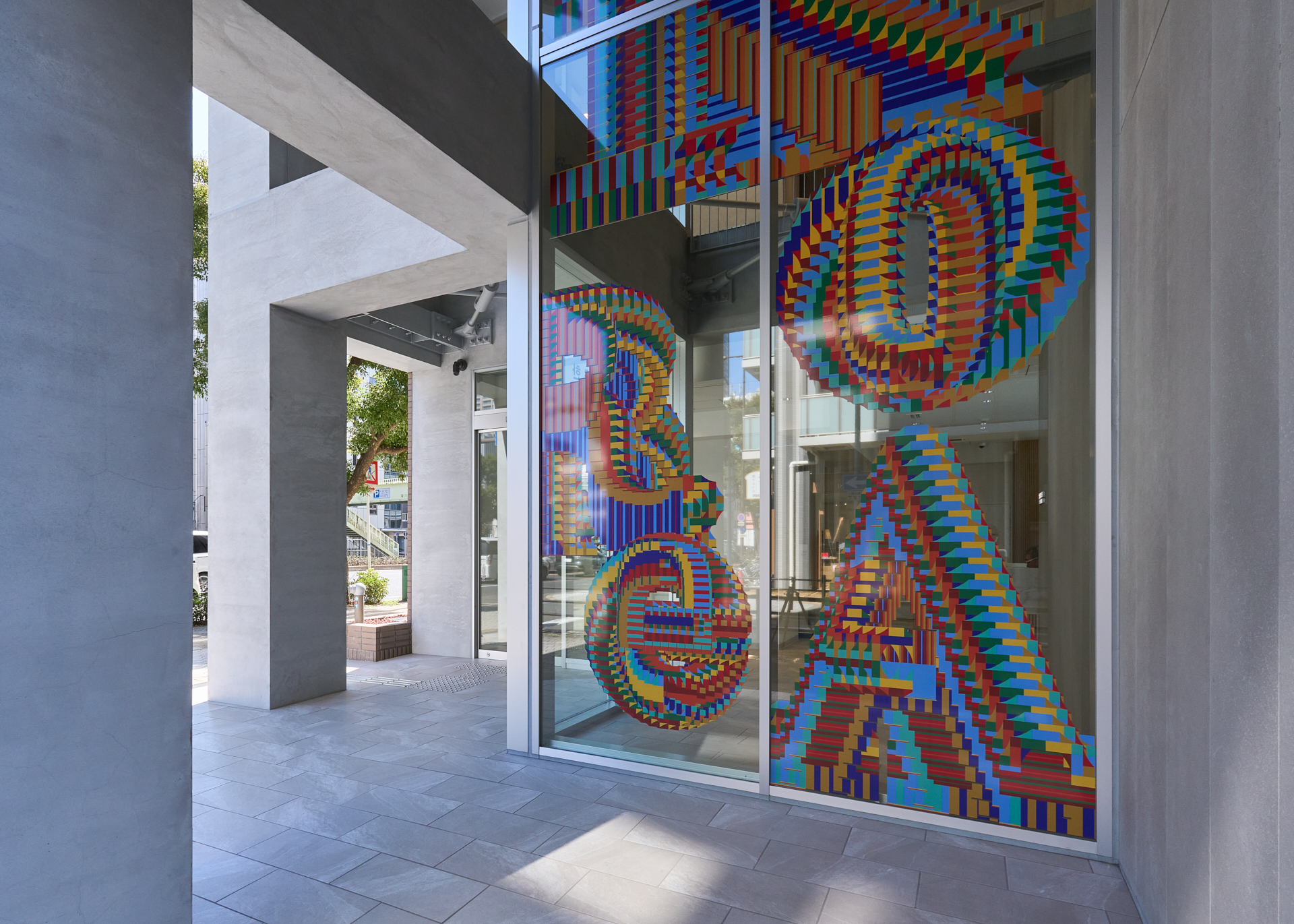
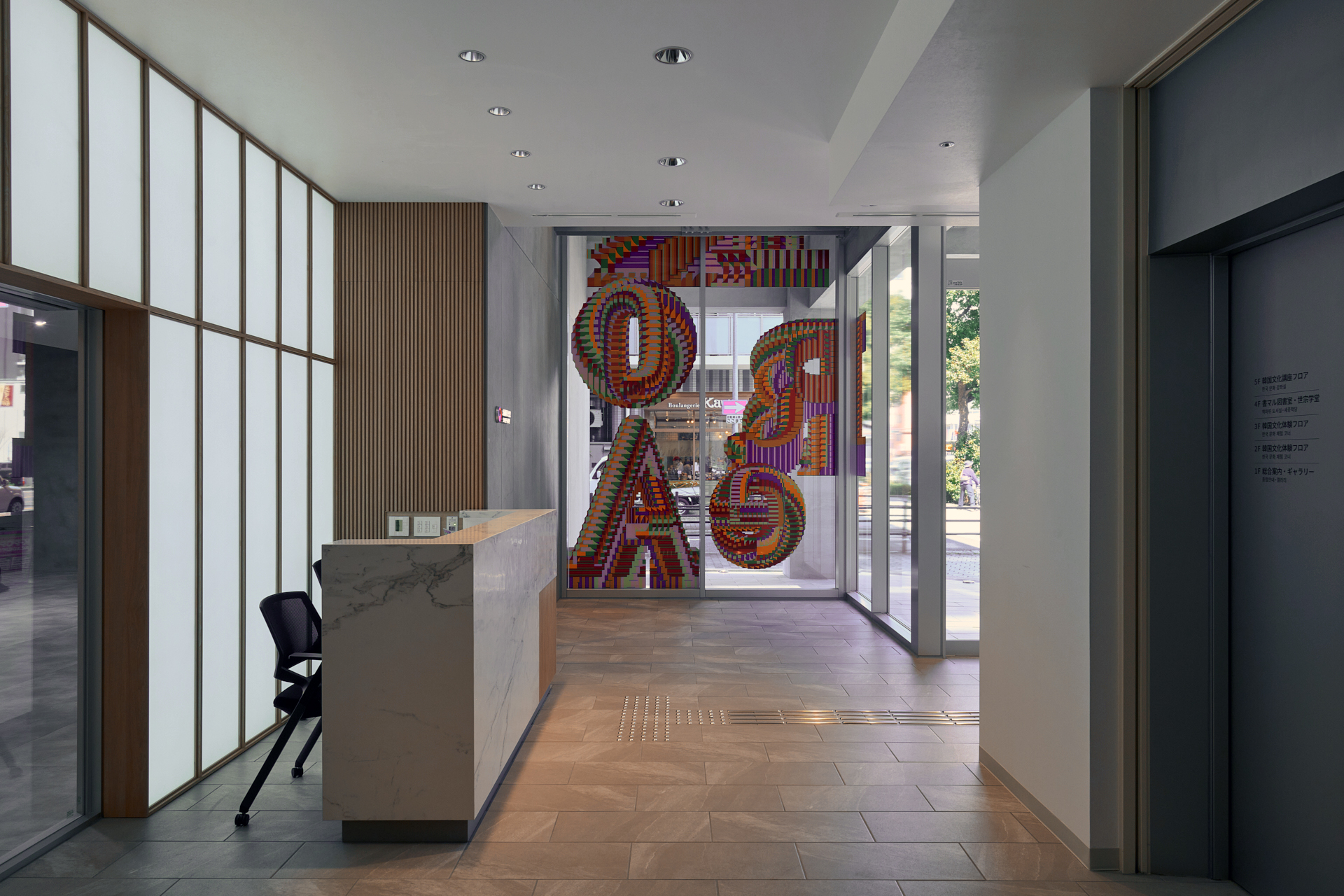
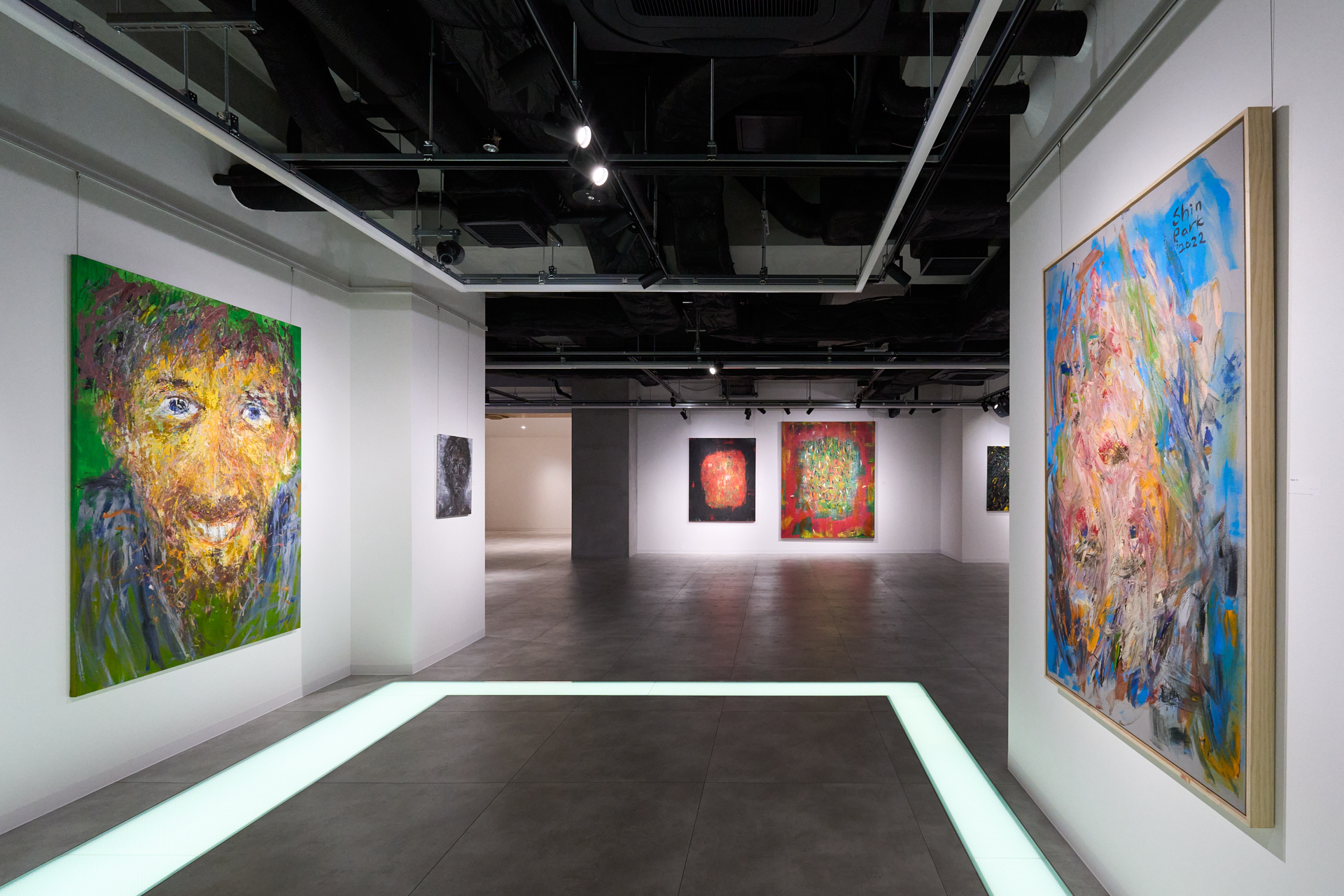
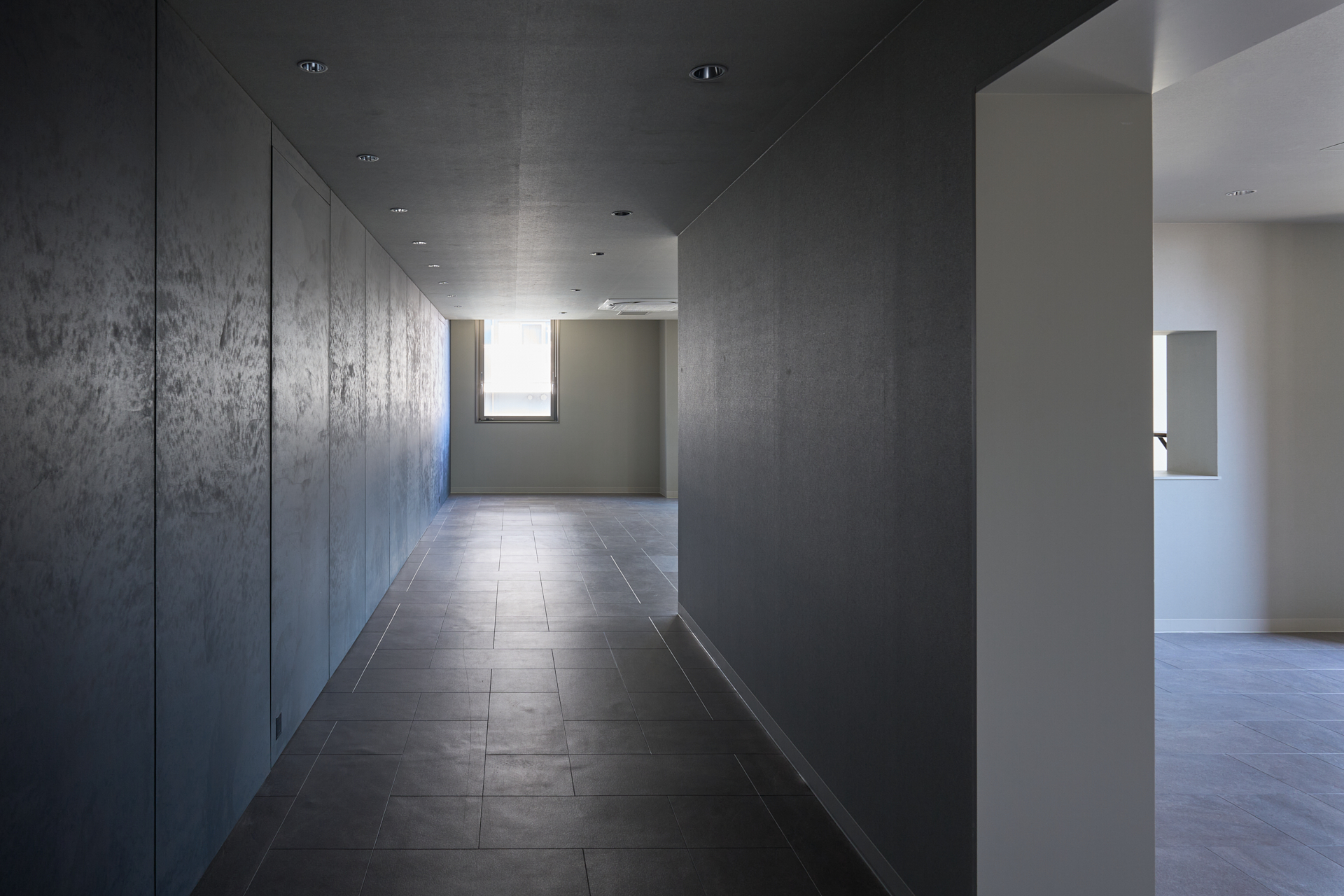
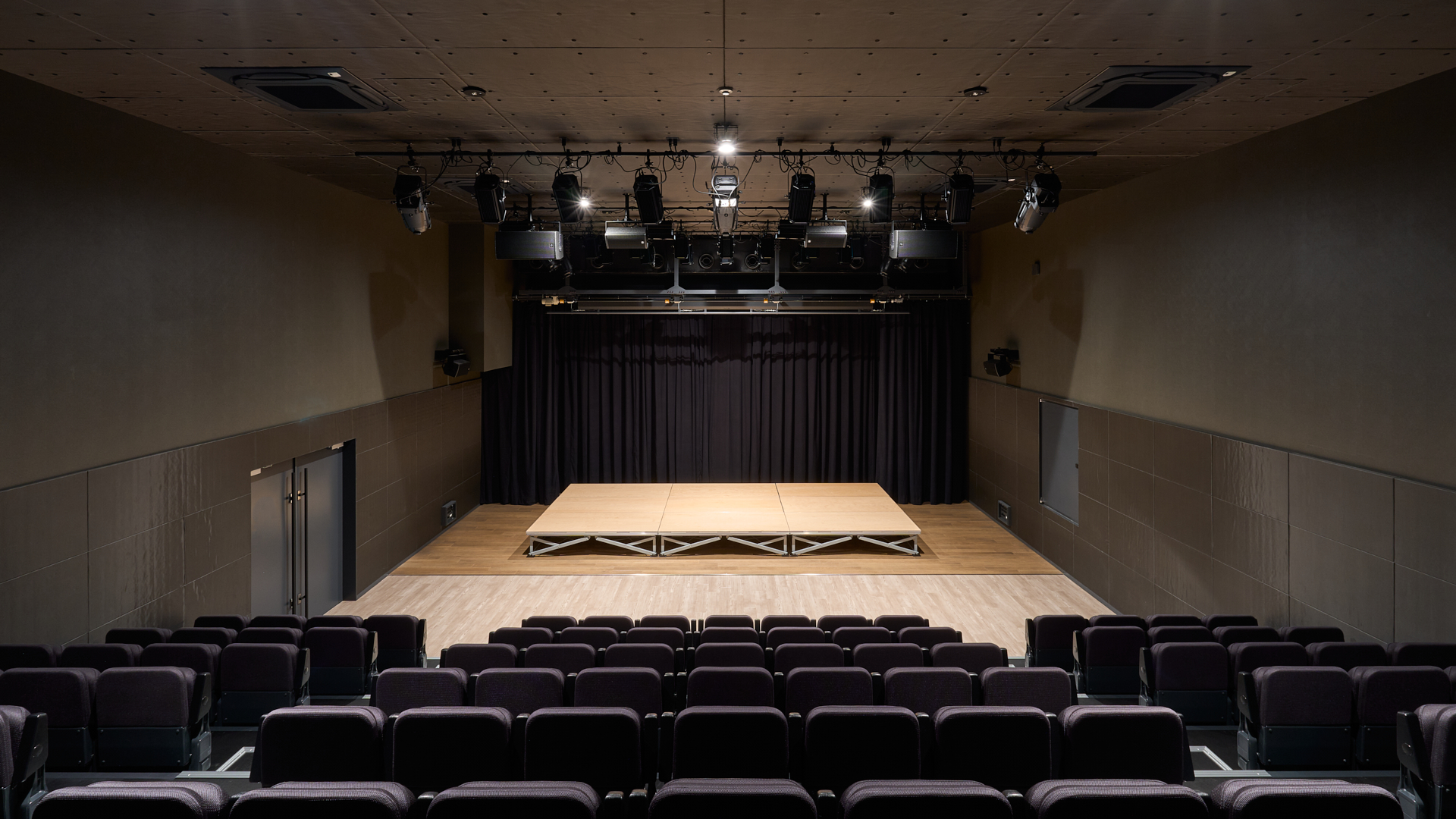
photo / Atsushi Shiotani (exp)
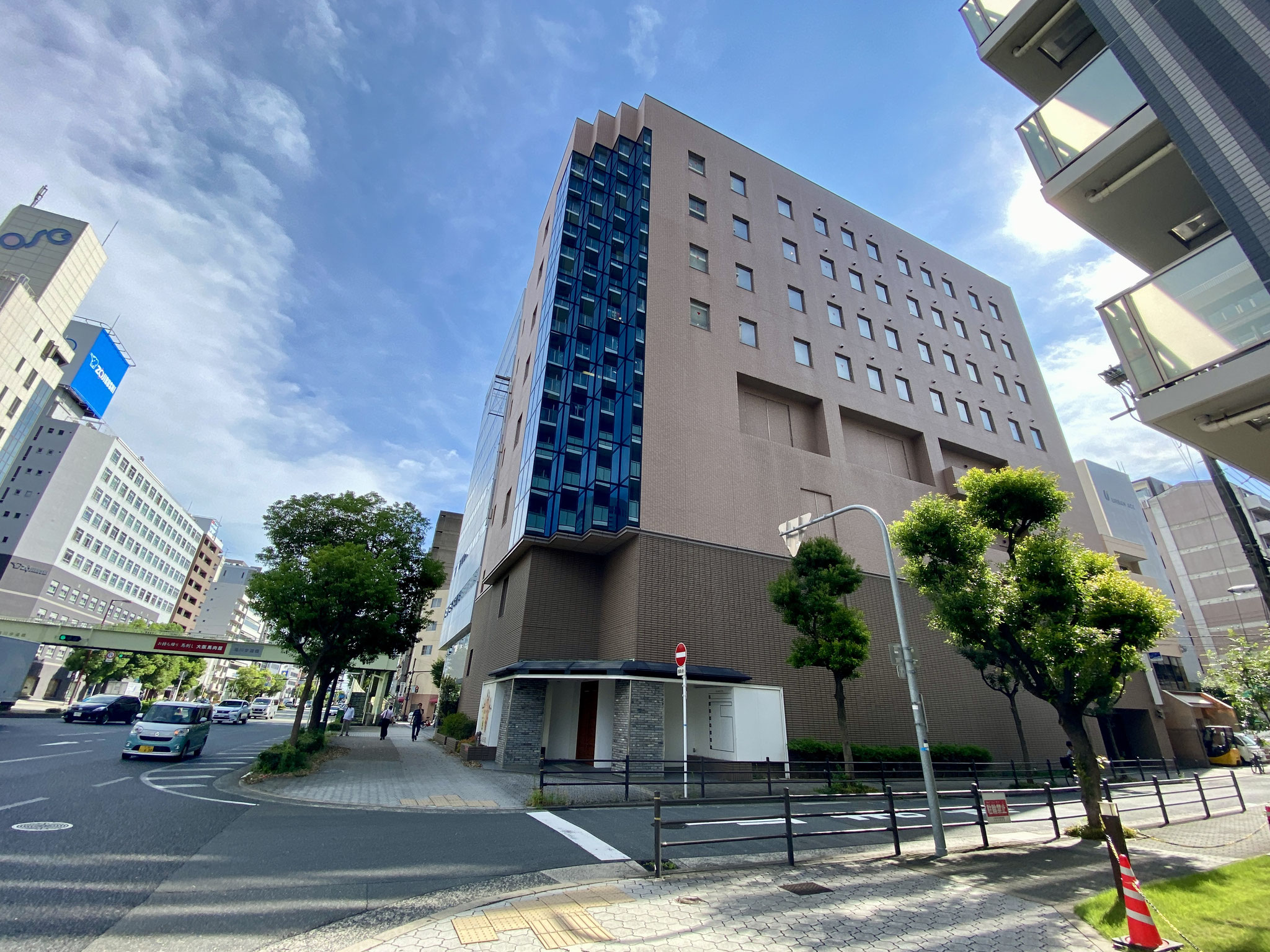
工事前の外観
A project selected as the public proposal by a South Korean government agency for the "Convertion Work of the Relocation Building for the Korean Cultural Center in Osaka."
The Korean Cultural Center is a government institution of the Republic of Korea (South Korea) that serves as a comprehensive hub for Korean culture in Japan. It was established in Ikebukuro in 1979 as the world's first Korean Cultural Center, with the purpose of promoting Korean culture globally.
Since its opening in 1999, the Osaka Korean Cultural Center has served as a cultural hub in the Kansai and western Japan regions, introducing Korean culture and supporting cultural exchange between Korea and Japan.
However, due to the aging of its current building and the lack of sufficient space, it was decided to relocate the center to a converted clinic building in Higashi-Tenma.
The former clinic building, which had medical equipment such as MRI and CT machines, was characterized by thick concrete walls designed to block electromagnetic waves and radiation. This resulted in a dark and enclosed atmosphere.
Considering budget constraints, structural limitations, and construction schedules, the scope of structural demolition was minimized.
However, to create an inviting cultural space, part of the second floor and exterior wall was removed, reinforced with steel frames, and transformed into a two-story atrium. This design aims to create an open and accessible space that serves as an "extension of the city" where anyone can casually stop by.
On the first floor, most of the existing walls were retained to ensure sufficient exhibition space, while some of the former medical pipeline trenches were repurposed as embedded lighting pits. Additionally, the reception area, which was previously recessed and lacked natural light, was transformed into a bright space using an illuminated wall designed like a shoji screen. The second-floor area facing the atrium was converted into an inner terrace, serving as a direct connection between the center's activities and the surrounding community.
The second to fifth floors provide a diverse range of experiences, showcasing Korean culture from traditional to contemporary, with activities including Taekwondo, dance, and cooking classes.
The sixth floor serves as an office area, with the guest room furnished with pieces inspired by traditional Korean culture.
The seventh-floor performance hall is a spacious, two-story atrium created by removing the existing columns and the eighth-floor slab, supported by extensive structural reinforcement.